Social Security Survivor Benefits for Widows | Legacy After Loss
Mitch Simkins
Hi, I'm Mitch

Social Security
survivor benefits for widows

Who qualifies, when to claim, and the switching strategy most widows are never told about

"You're navigating something no one prepares you for. I'm here to help you find your footing."

"I needed a guide"

Survivor benefits are the first money question after a death and the most misunderstood.

The rules genuinely are complicated, and the gap between a planned claiming decision and a rushed one can run well into six figures over a lifetime.

Most of what follows is not hard to understand. It is just rarely explained in one place.

Reach out to Mitch
Hi, I'm Mitch

Holding finances steady while you find your footing

I work with widows at the exact intersection where grief and financial complexity meet, helping hold finances steady while you get your footing, where the stakes are too high for a generic approach.

I have spent 20 years as a wealth advisor, and claiming decisions are one of the few places where careful timing changes a widow’s income for the rest of her life. I came to this work through my grandmother, widowed young with seven children after my dad, then six, watched his father die.

She had far fewer options than today’s widows do. The ones available now are worth using deliberately rather than by default.

Find a time to talk
In their own words

Widows who've worked with Mitch

How a claiming decision actually gets made.

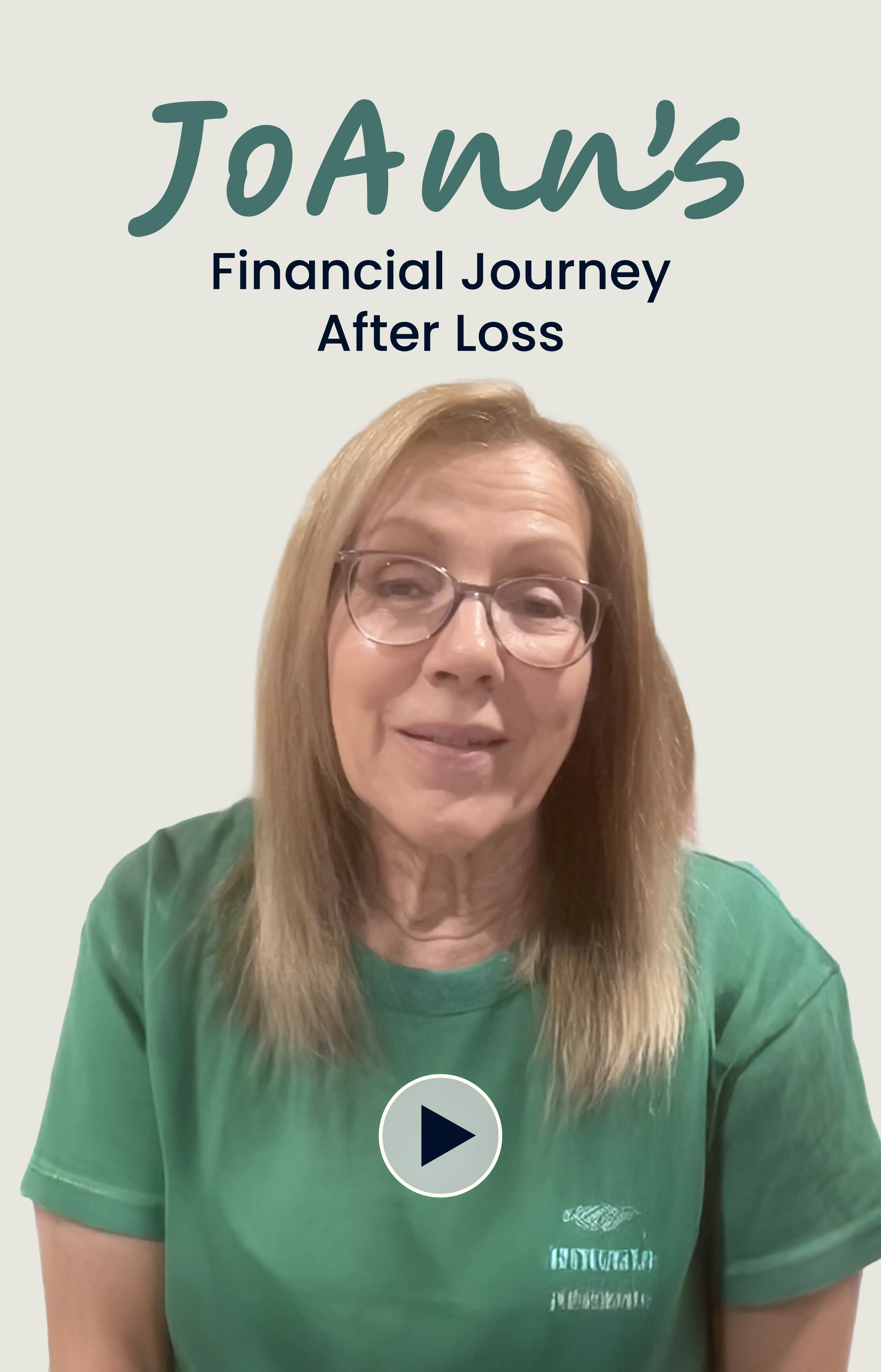
Joann testimonial thumbnail
DISCLAIMER: Joann is a current client. This is a voluntary testimonial; no compensation was provided. Views are personal to her and may not represent all client experiences. Past results do not guarantee future performance; investing involves risk, including loss of principal.
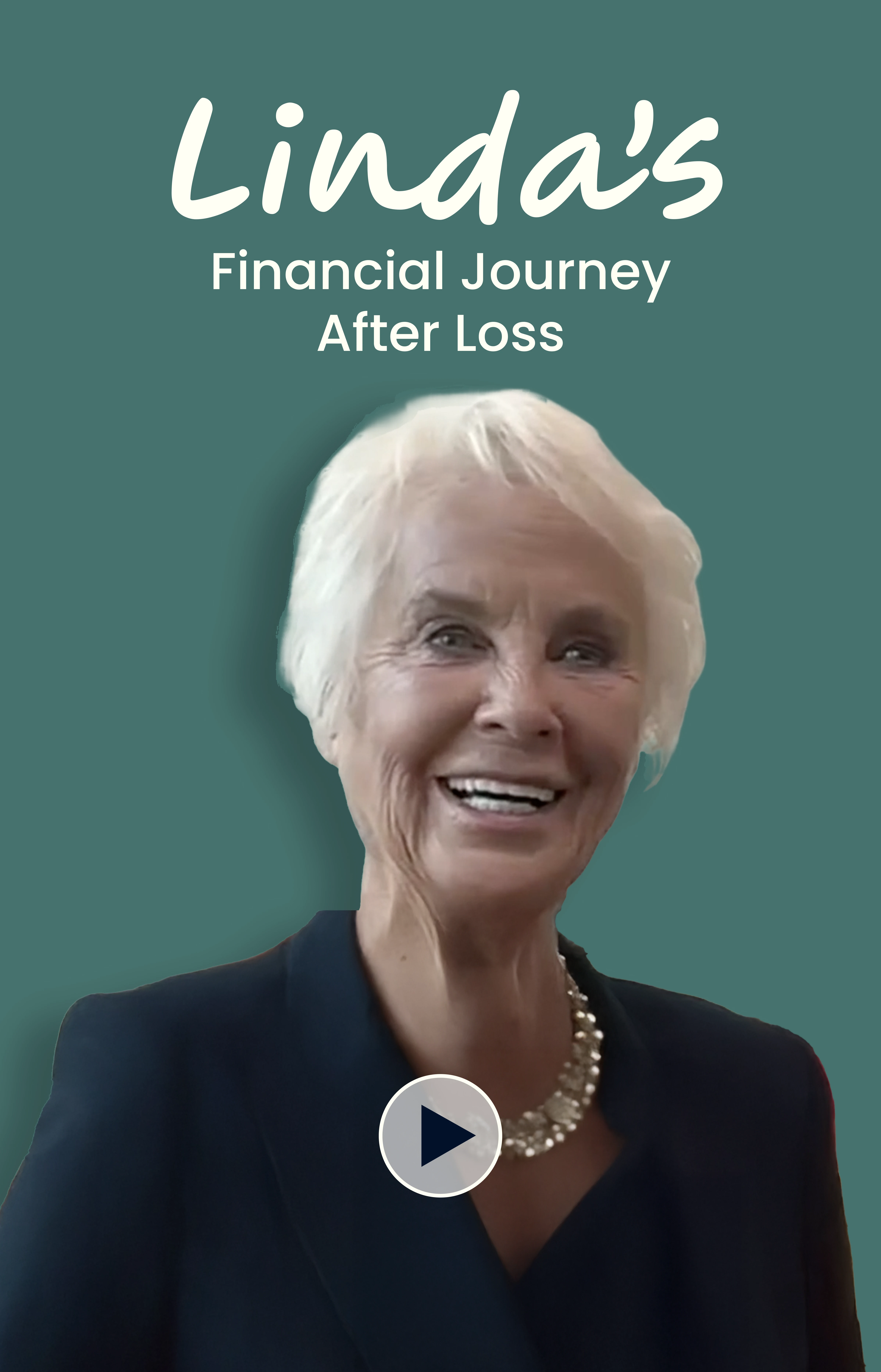
Linda testimonial thumbnail
DISCLAIMER: Linda is a current client. This is a voluntary testimonial; no compensation was provided. Views are personal to her and may not represent all client experiences. Past results do not guarantee future performance; investing involves risk, including loss of principal.
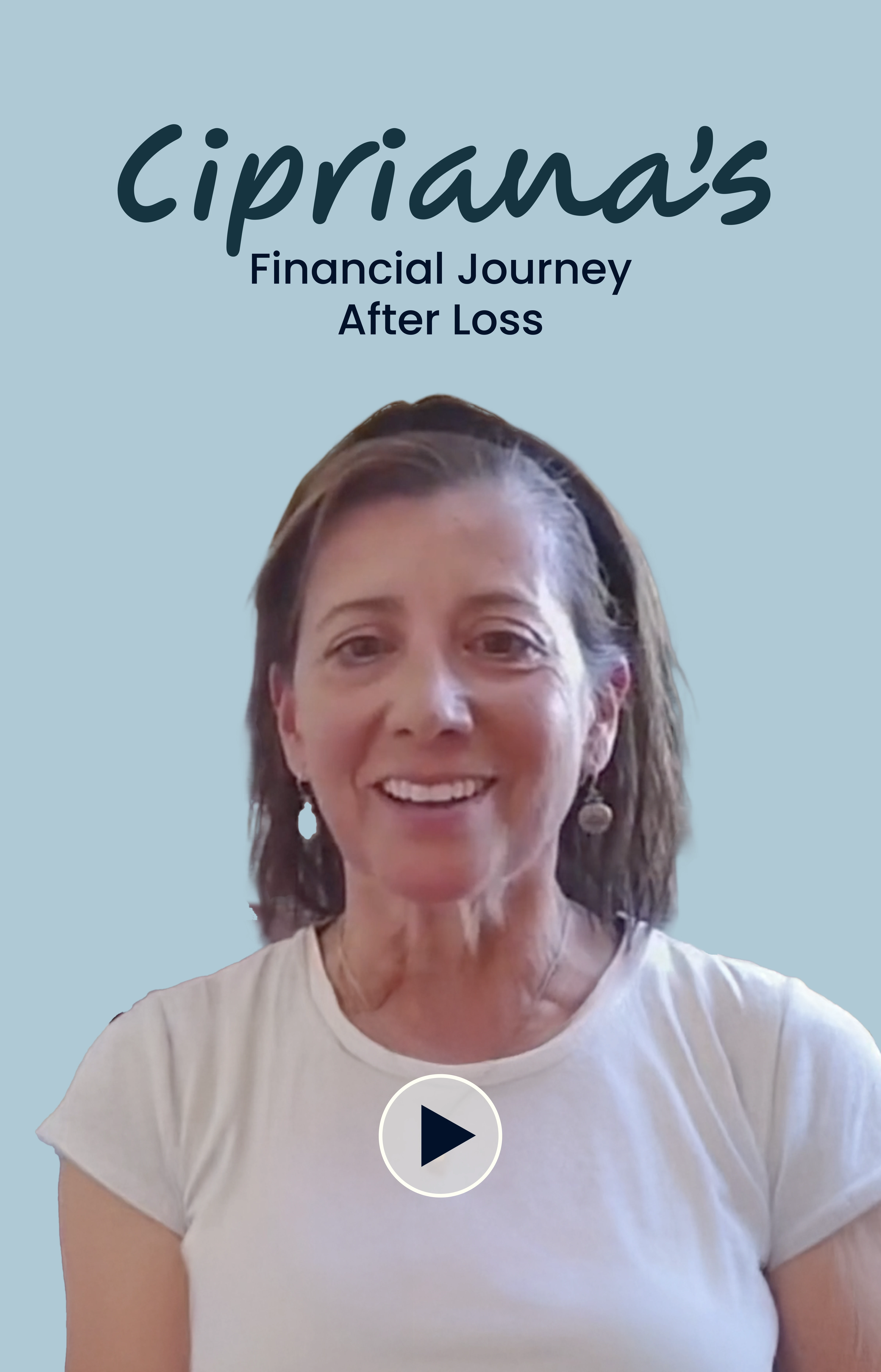
Cipriana testimonial thumbnail
DISCLAIMER: Cipriana is a current client. This is a voluntary testimonial; no compensation was provided. Views are personal to her and may not represent all client experiences. Past results do not guarantee future performance; investing involves risk, including loss of principal.
How we work together

How a claiming decision gets made

A simple path through what feels impossible. We move at your pace.

Getting your footing
1

Getting your footing

Report the death and establish what you are eligible for, including benefits for children still at home.

Getting organized
2

Getting organized

Model the options side by side: survivor now and your own later, or the reverse, against your earnings record and your spouse’s.

Creating a plan
3

Creating a plan

Decide with the rest of the picture in view, including the tax effect in Utah and what your income needs to look like.

Finding Your Footing, a financial workbook for widows
The free workbook

A free copy of Finding Your Footing, mailed to your door

A 72 page financial workbook for widows, built around now, soon, and later. Plain answers about estates, taxes, and accounts, and one place to keep it all together. It isn't free anywhere but here.

Send me a free copy

No cost. Tell us where to send it and it's on the way.

Free tools for widows

Get started on your own timeline

Two resources I built so you can begin without picking up the phone.

90-day financial checklist

The 90-day checklist

A guided financial checklist to help you get all your affairs in order.

Access the FREE list
Free widows course

The widows course

A guided financial checklist to help you get your affairs in order.

Access the FREE course

FREE 60-minute course

Created for widows wondering where to start

A 5-part guided course taken at your pace, taught by Mitch.

Designed to help you confidently plan your next chapter.

Access the FREE course
Free 60-minute widows course
Community

A space for widows, together

A growing community for women navigating finances and life after loss. Join when you're ready.

Visit the community
Why widows

Why widows, specifically

Claiming is one of the few irreversible financial decisions a widow makes in the first year, and it is usually made at a counter, under time pressure, with no model in front of her.

Faith, family and service are how I was raised. Here it means doing the math before the appointment rather than after.

The detail

How survivor benefits actually work

Who qualifies, and when

As a surviving spouse you can generally claim as early as age 60 at a reduced amount, or age 50 if you are disabled. The full survivor benefit is available at your full retirement age. If you are caring for your late spouse’s child under 16, you may qualify at any age, and the children may qualify as well. Report the death to Social Security as soon as you reasonably can.

The one-time $255 payment

Social Security pays a one-time lump sum of $255 to an eligible surviving spouse. The amount has not changed in decades and it will not solve anything, but it is yours and worth claiming.

Survivor or your own? You may not have to choose permanently

This is the part most widows are never told. A survivor benefit and your own retirement benefit are separate, and in many cases you can claim one first and switch to the other later if it grows larger. Which order works depends on your age, your earnings record and your spouse’s. It is much easier to model before you file than to unwind afterward.

If you are still working

Claiming before your full retirement age while you are working means the earnings test may reduce your benefit temporarily. It is not lost permanently and the amount is recalculated later, but it surprises widows who go back to work after a claim.

Remarriage

Remarrying after age 60, or 50 if you are disabled, generally does not affect a survivor benefit. Remarrying before that age usually does. This catches people who assume any remarriage ends the benefit.

The Utah tax angle

Utah is one of a small number of states that taxes Social Security income, offset by a credit that phases out as income rises. When survivor benefits replace part of a second income, that interaction is worth raising with your CPA before you settle on timing. More on how this fits the wider picture on the Utah page.

If your spouse died recently, the first 90 days covers what to do before this decision comes up. If you have children at home, the rules for younger widows differ in ways that matter.

Confirm your specific situation with the Social Security Administration. Farther does not provide legal or tax advice.


Common questions

Survivor benefit questions

When can a widow collect survivor benefits?
Generally from age 60 at a reduced amount, or 50 if disabled, and the full amount at your full retirement age. If you are caring for your late spouse’s child under 16 you may qualify at any age. Confirm with the Social Security Administration.

What is the $255 death payment?
A one-time lump sum paid to an eligible surviving spouse. It is small, it has not changed in decades, and it is still worth claiming.

Can I switch from a survivor benefit to my own retirement benefit?
In many cases yes. Some widows claim one first and switch later if the other grows larger. The order is worth modeling before you file.

Does remarriage affect survivor benefits?
Remarrying after 60, or 50 if disabled, generally does not affect them. Remarrying before that age usually does.

What happens if I am still working?
Claiming before full retirement age while working can reduce your benefit temporarily through the earnings test. It is recalculated later rather than lost.

How do I apply?
Survivor claims are handled by phone or at a Social Security office rather than fully online. It is worth deciding on your claiming strategy before the appointment.

When you're ready, I'm here

A real conversation to help you find your footing, at your pace, on your own timeline.

Talk with Mitch
Join The Legacy Circle | Legacy After Loss

A private community for widows

Join The Legacy Circle

A quiet place to be understood, get clear answers, and take the next step at the pace that fits you.

What you'll find inside

After losing a spouse, the financial side of life doesn't pause. It speeds up. Statements arrive. Accounts need attention. Decisions stack on top of grief, and the people around you don't always know what to ask.

Inside The Legacy Circle, you're alongside other widows who understand what this season feels like, with the steady guidance of Mitch Simkins, a wealth advisor who has spent nearly 20 years working with widows through the most complex financial transitions of their lives.

  • Honest conversations with other widows who get it. No jargon, no judgment.
  • Plain English answers to the questions you didn't know who to ask.
  • Checklists and resources pulled straight from real client work.
  • Live Q&A with Mitch, plus Wins for Widows moments to mark each step forward.

If you're a widow ready to stop carrying it alone, you're welcome here.

Request your seat

Fill out the form and we'll send your access link by email.

Farther is an SEC-registered investment adviser. Registration does not imply a certain level of skill or training. The content on this website is for informational purposes only and should not be construed as personalized investment, tax, or legal advice. Advisory services are offered only through a written agreement with Farther. All investments involve risk, including the potential loss of principal. Past performance does not guarantee future results.

Client testimonials and endorsements reflect individual experiences and may not be representative of all clients. No compensation was provided unless otherwise disclosed. Farther may provide guidance on financial planning concepts, but does not offer legal or tax advice. Clients should consult their own legal or tax professionals for advice specific to their situation.

© 2026 Farther · Legacy After Loss Financial